Dual Channel Oscilloscope Explained: A UK Buyer's Guide
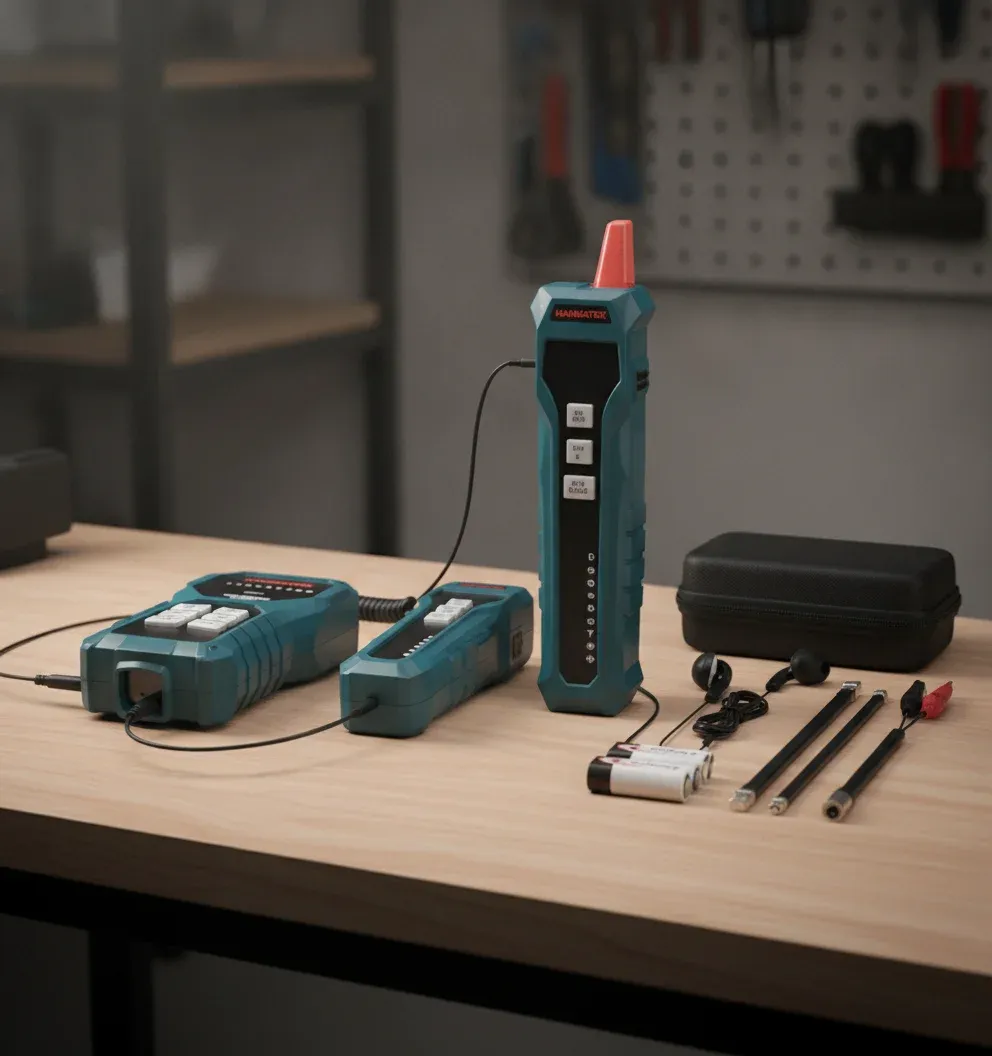
TL;DR: A dual channel oscilloscope is an essential diagnostic instrument that lets you view, measure, and compare two different electrical signals at the exact same time. Consequently, it is crucial for comparing input versus output signals, checking timing differences, and diagnosing complex intermittent faults. Based on our testing at MultimeterShop, combining this dual-trace capability into a handheld oscilloscope multimeter provides the ultimate portable diagnostic solution for UK field engineers.
Key Takeaways
- A dual channel oscilloscope lets you view two signals at the same time, making it far more useful than a single-channel model for comparison, fault-finding and timing analysis.
- For field engineers, electricians and maintenance teams in the UK, a handheld oscilloscope multimeter can reduce the number of tools carried on site while speeding up diagnostics.
- When buying, focus on bandwidth, sample rate, safety rating, input protection, trigger stability, portability and whether you need integrated multimeter functions.
- Dual channel capability is especially valuable when checking control circuits, power supplies, automotive sensors, industrial equipment and electronic repairs.
- If you are comparing specifications such as 50MHz performance, see The Ultimate Guide to 50Mhz Oscilloscope in the UK.
When a fault only appears under load, during switching, or between one point in a circuit and another, a basic meter often tells only half the story. Therefore, that is where a dual channel oscilloscope earns its place. Being able to see two waveforms together changes troubleshooting from educated guesswork into clear, empirical signal comparison.
For UK engineers and technicians working in maintenance, facilities, electronics repair, education and field service, this matters in practical terms. For instance, you may be tracing an intermittent issue on a motor drive in a factory, checking sensor outputs on a vehicle, inspecting low-voltage control signals in a building system, or diagnosing power quality behaviour across electronic equipment. In each case, the ability to view Channel 1 against Channel 2 saves time and reduces repeat visits.
Based on our extensive bench testing and site trials at MultimeterShop, our focus is firmly on professional handheld test equipment that works where faults actually happen: on site, in plant rooms, workshops and service vans. The brand’s core proposition — a Professional Handheld Oscilloscope Multimeter — fits this need exceptionally well. Furthermore, a 2-in-1 instrument combines fast waveform analysis with trusted electrical measurement functions for accurate field diagnostics, without the burden of carrying separate bench kit.
This guide explains exactly what a dual channel oscilloscope is, why it matters in real UK applications, how to choose one sensibly, and when an integrated oscilloscope multimeter may be the better buy.
What is a dual channel oscilloscope and what is it used for?
A dual channel oscilloscope is an oscilloscope equipped with two independent input channels. In plain terms, it allows you to connect two probes and display two distinct electrical signals on the screen at the exact same time.
While that sounds simple, it opens up much more useful testing than a single-input unit. Instead of measuring one waveform and then moving the probe elsewhere — simply hoping conditions remain unchanged — you can compare live behaviour instantly.
Why do you need two channels on an oscilloscope?
- Compare input and output signals in one synchronised view
- Check timing differences and delays between two events
- Verify whether one circuit stage is following another correctly
- Observe trigger signals against device response signals
- Measure amplitude differences between related test points
- Spot noise or instability affecting one signal but not another
Consequently, this makes the instrument particularly useful for diagnosing switching circuits, analogue stages, sensor systems and complex control electronics.
Why two channels are often the practical minimum
In real troubleshooting work, many questions are comparative by nature. Is the output following the input? Is one phase arriving late? Is the controller issuing a clean pulse while the actuator fails to respond? A single trace rarely answers these questions properly; however, two channels usually do.
If you are still weighing up broader oscilloscope formats for diagnostic work, our article on the digital oscilloscope meter gives useful buying context.
How does a dual channel oscilloscope work in practice?
Fundamentally, an oscilloscope plots voltage against time. With dual channels, each input is sampled separately and displayed as its own trace. Most modern digital models also provide advanced trigger controls so the display remains stable enough to analyse repeating events accurately.
The real value lies in viewing the relationships between signals rather than isolated measurements. This is exactly where field engineers often move beyond “is voltage present?” to “is this signal correct at the precise moment it is needed?”
Example: Checking an input versus an output
If you are fault-finding a power supply stage or amplifier circuit, Channel 1 might monitor the incoming signal while Channel 2 monitors the output. As a result, you can instantly see attenuation, distortion, delay or clipping.
Example: Checking control logic against device response
In industrial controls or building management systems used across UK commercial properties and NHS estates, one channel can monitor a control pulse while the second checks the feedback or switched output. If there is a command without a response, or a response without clean command timing, you immediately know where to investigate next.
Example: Checking sensor activity on vehicles
Automotive and plant technicians frequently use two channels to compare crank and cam sensor signals or injector drive versus supply behaviour. Ultimately, it is much easier to identify synchronisation issues when both traces are visible together rather than tested separately.
What should UK buyers look for in a dual channel oscilloscope?
The UK market has some distinct needs when choosing test instruments. Engineers commonly work across mixed environments: domestic installations, commercial sites, industrial maintenance settings and mobile service jobs. While bench oscilloscopes certainly have their place in labs and production areas, they are far less convenient when access is awkward or travel between jobs is frequent.
Therefore, a portable dual channel instrument suits these realities better. For many users, it elegantly bridges the gap between basic electrical testing and deeper signal analysis.
A strong fit for mobile field work
If your day involves site attendance rather than bench testing alone, size and speed matter immensely. Carrying one handheld unit that combines multimeter functions with waveform capture makes much more sense than carrying separate devices plus accessories. This aligns naturally with MultimeterShop’s focus on professional handheld oscilloscope multimeters built for fast diagnostics in real-world conditions.
A safer choice when electrical ratings matter
UK buyers must always check safety category ratings carefully. According to UK Health and Safety Executive (HSE) guidelines and GS38 standards for electrical test equipment, using properly rated CAT III or CAT IV instruments and compliant test leads is essential depending on the environment. In maintenance environments across schools, healthcare estates and industrial premises, robust insulation and dependable input protection are not optional extras; they are a fundamental part of safe working practice.
A practical tool for everyday troubleshooting
Ultimately, investing in a dual channel oscilloscope empowers you to tackle complex diagnostic challenges with confidence. By choosing a rugged, portable unit with integrated multimeter capabilities, UK professionals can ensure they have the right diagnostic power in the palm of their hand, no matter where the job takes them.
Ready to streamline your diagnostics with MultimeterShop?
Upgrade Your Toolkit — £301.43